Paper mulberry
Broussonetia papyrifera
Asian tree that spreads by root suckers and has become a tough weed of gardens, walls, roadsides and urban lots.
🔄Life cyclePerennial tree: leafs in spring, flowers in spring, fruits ripen in early summer.
🌬️Spreads byRoot suckers form large patches; seeds spread by birds and animals.
📍Where it's a problemGardens, walls, orchards, roadsides, urban sites
How to recognise
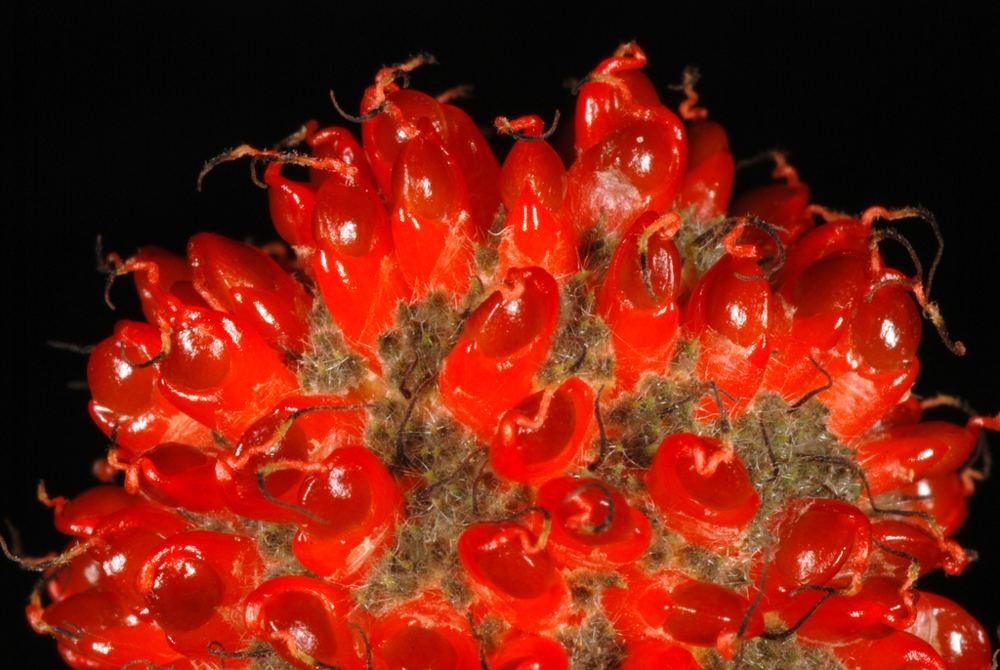
Round-crowned tree with soft, hairy leaves of varied shape (oval, or deeply lobed like a mitten) on the same plant; grey-brown bark; round, orange-red, knobby fruits in early summer.
What it tells you about your soil
Disturbed soil, urban areas, walls, roadsides and neglected corners; tolerates poor soil, pollution and drought.
Natural control
- Pull young suckers when the soil is wet and dig the roots out; keep cutting regrowth at ground level so the roots run out of reserves.
- Cut trees before the fruits ripen.
- Mulch heavily with cardboard and chips after clearing.
- Keep walls and foundations free of seedlings.
Uses
Ripe fruit is edible; the leaves feed silkworms and livestock, and the bark was used for paper and cloth in East Asia.
Cautions
Invasive in many countries; do not plant it where it can escape. The milky sap can irritate sensitive skin and the pollen causes hay fever.