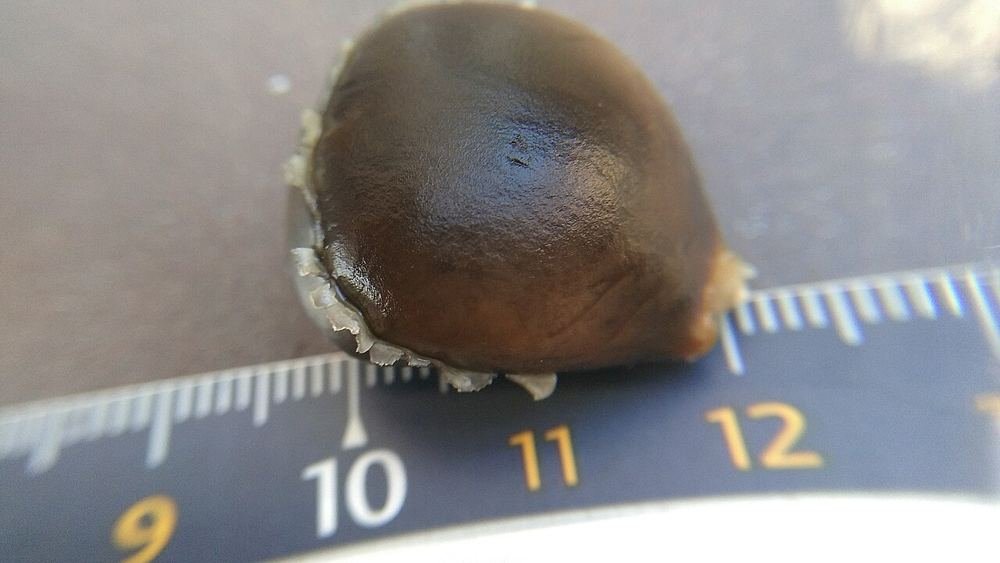
Seed priming and soaking (in fermented plant juice, lactic acid bacteria, water)
Soaking seeds for a short, controlled time before sowing so that they take up water and start germination work early. Plain water soaking (hydropriming) is the best-known form. Some natural farming growers add a very dilute Fermented plant juice (FPJ) or Lactic acid bacteria serum (LAB) to the soak, but evidence for those additions is weak.
Conditions
Soaking helps most with hard-coated or slow seed (beetroot, chard, parsley, parsnip, spinach, peas and sweet corn) and in cool or dry soil, or when the soil is hot enough to stop lettuce germinating. It does little for fast seed such as radish. It does not rescue old seed.
What you need
- Seed: as much as you will sow within 1 or 2 days
- Clean jar or bowl, glass or ceramic
- Clean room-temperature water, chlorine-free
- Fine sieve or cheesecloth
- Paper towels or newspaper for surface drying
- Optional: Fermented plant juice (FPJ) or Lactic acid bacteria serum (LAB), syringe or measuring spoon in millilitres
- Label and pen, timer
How to make it
- Check the seed packet first. Do not soak pelleted, coated or treated seed, or very tiny or sticky seed.
- Use clean water at room temperature (18 to 24 °C). Let tap water stand overnight so the chlorine leaves, or use rainwater.
- Put the seed in a clean jar or bowl with about 3 times its volume of water.
- Soak for the time below. Large pea and bean seed: 2 to 4 hours at most. Sweet corn and squash: 4 to 8 hours. Beetroot, chard, spinach, parsley and parsnip: 8 to 12 hours, and up to 24 hours for parsley. Lettuce: 2 to 4 hours, in cool water.
- Change the water once halfway through any soak longer than 6 hours.
- For the optional ferment soak, use Fermented plant juice (FPJ) or Lactic acid bacteria serum (LAB) at 1:1000 (1 ml in 1 litre of water) (1 ml per litre of water), the same mix as the Weekly soil soak (SOS), for 30 minutes (large seed) or 10 minutes (small seed). Do not leave seed longer than 4 hours in any ferment mix, because the ferment uses up oxygen and the seed can rot.
- Drain the seed in a sieve and rinse briefly in clean water.
- Sow at once into moist soil. For a seed that you cannot sow the same day, spread it on a paper towel and surface-dry it in shade, then sow within a day or two.
- Keep the soil evenly moist after sowing, because soaked seed that dries out in the soil dies.
How much it makes
Treats as much seed as will sit loosely in a 500 ml jar covered by about 3 times its volume of water, for example 100 g of pea seed in 300 ml of water. The optional ferment mix is made at 1 ml per litre, so 0.5 ml in a 500 ml soak.
How to use it
- Prepare the seedbed first so the soaked seed can be sown straight away.
- Drain the seed and sow at the depth on the packet. Water the row lightly.
- Beans and peas: sow into warm, moist soil only, and do not soak them if the soil is cold and wet.
- For several varieties, label each jar so soak times do not get mixed.
Signs it worked
Properly soaked seed is plumper than dry seed, with a swollen, slightly softened coat, and shows no root tip yet. Over-soaked seed looks split, slimy or sour-smelling, or has a white root already protruding, and the water turns cloudy and smells.
Storage
Do not store soaked seed. Sow it the same day. If you must wait, surface-dry in shade and sow within 1 or 2 days; the benefit fades and re-dried seed can be damaged. Keep unused dry seed in a cool, dry, airtight place (Buying, storing & saving seed).
If something goes wrong
- Seed rots in the soil after sowing: the soak was too long or the soil too cold or wet. Shorten the soak and sow into warm, well-drained soil.
- Seed coat cracked: seed was soaked in cold water or too long. Use room-temperature water and the shorter time.
- No faster germination: the seed was old, or fast kinds like radish do not need priming. Do a germination test (Germination temperatures).
- Smelly cloudy water: bacteria grew. Pour it away, rinse the seed, and use a clean jar and a shorter soak.
- Seedlings stunted after the ferment soak: the mix was too strong. Measure carefully and keep to 1:1000 (1 ml in 1 litre of water).
Cautions
Never soak longer than the time given: long soaks drown seed and spread rot. Do not soak beans in cold water, because cold shock can crack the seed coat. Do not soak lettuce in warm water. Discard cloudy, sour-smelling water. Do not soak seed treated with fungicide, and wash your hands afterwards. Evidence for fermented juices or lactic acid bacteria in seed soaks is limited and inconsistent; plain water works nearly as well. For seed-borne disease, use hot water (Hot-water seed treatment) or disinfection (Natural seed disinfection) instead. For legumes you can add the right Rhizobium seed pelleting.
Background sources: Korean Natural Farming and JADAM practice, and European Union organic farming rules. See Sources and references.