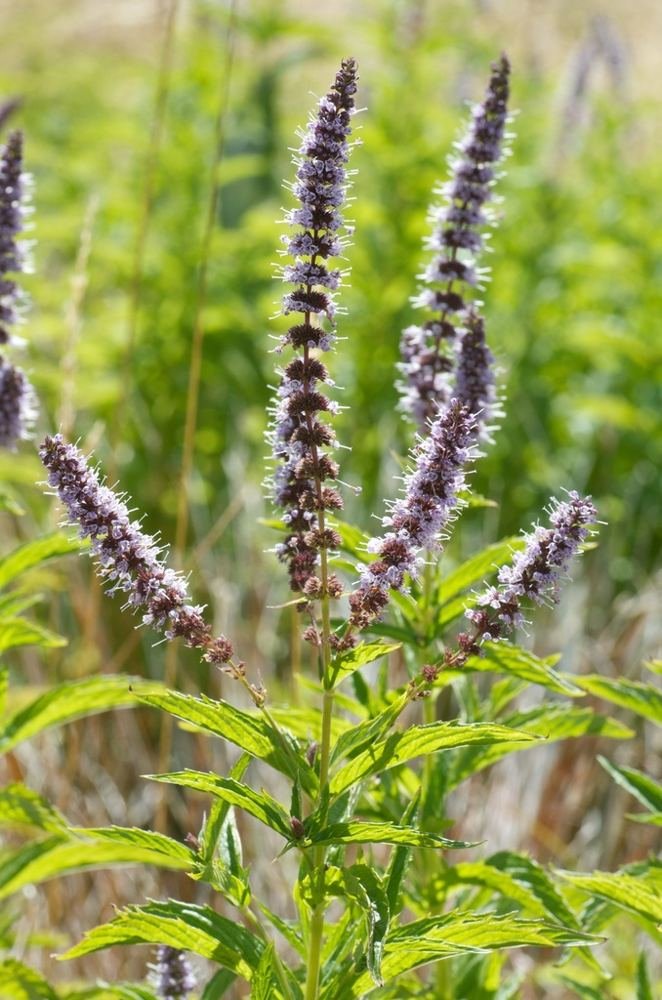
JADAM herbal pest solutions
A plant-extract spray made by boiling strong-smelling or bitter herbs in water, used as a repellent and mild suppressant of insects and some leaf diseases. The herbs are chosen to match the target, for example mint or garlic for repelling aphids. Evidence that these home extracts control pests is limited.
Conditions
JADAM (Cho Han-Kyu) teaches that low-cost sprays made from local plants can replace some bought products. Extracts of garlic, hot pepper, mint, rosemary, lavender, cinnamon and similar herbs contain oils, bitter compounds and sulphur compounds that repel or deter insects. The effect is mild and short-lived, so these sprays help most when pest pressure is low and plants are healthy. They do not replace good soil, spacing and early scouting.
What you need
- Herbs: for example garlic, hot pepper, mint, rosemary, lavender, wormwood or cinnamon bark; 1 kilogram fresh or 1 kilogram dried
- Water: about 4 litres for fresh herbs, about 20 litres for dried herbs
- Large stainless steel or enamel pot (not aluminium) with a lid
- Fine mesh bag and a fine cloth for straining
- Clean bottles with tight lids
- JADAM wetting agent, a few millilitres per litre of spray
- Sprayer, gloves, goggles and labels
How to make it
- Decide the target (for example aphids, mites or mildew) and choose herbs known for that purpose, such as garlic, hot pepper, mint, rosemary, lavender, wormwood or cinnamon bark. Use herbs you can identify with certainty and avoid poisonous plants.
- Weigh the herbs: about 1 kilogram fresh herbs for 4 litres of water, or 1 kilogram dried herbs for about 20 litres of water.
- Put the herbs in a fine mesh bag and into a large stainless steel or enamel pot (not aluminium). Cover with the water.
- Simmer gently for about 4 to 5 hours with the lid slightly open, in a well ventilated place and out of reach of children, until the liquid is down to about 70 percent of the starting volume. Add water if it boils dry.
- Take out the bag, squeeze it, and strain the liquid through a fine cloth.
- Pour the hot liquid into clean bottles with a tight lid and fill them to the top. Cool them on their side to help keep the liquid.
- Label each bottle with the herbs, the date and "not for drinking".
- To use, shake the bottle, dilute 1:100 (10 ml in 1 litre of water) (10 millilitres per litre of water) for leaf spray, and add a little JADAM wetting agent so the solution spreads on the leaf.
- Test on a few leaves and wait one day. If the leaves are unburnt, spray the whole plant, including the underside of leaves.
- Spray in the evening or on a cloudy day, not in the midday sun, and not when bees are flying on open flowers.
- Repeat every 7 days while pests are present, and after rain. Stop if there is no effect after two or three sprays and use another control (Insecticidal soap, Bt (Bacillus thuringiensis) or Garlic-chili spray).
- Wash the pot, cloth and sprayer, and wash your hands.
How much it makes
1 kilogram of fresh herbs in 4 litres of water makes roughly 2.5 to 3 litres of extract after boiling down to about 70 percent. At 1:100 (10 ml in 1 litre of water) this is enough for about 250 to 300 litres of leaf spray. These amounts are approximate.
How to use it
- Dilute 1:100 (10 ml in 1 litre of water) (10 millilitres in 1 litre of water) for leaf spray, and add a little JADAM wetting agent.
- Test first on a few leaves and wait one day.
- Spray in the evening or on a cloudy day, covering the underside of the leaves.
- Repeat weekly while pests are present, and after rain.
- Change the herb mix or use another control if nothing changes after two or three sprays.
Signs it worked
A good batch is a dark brown or green liquid with a strong herbal smell, no mould, and with a clear colour when held to the light. A spoiled batch smells sour or rotten, has a film or mould on top, or becomes cloudy and slimy. A spray that works makes pests leave or feed less, and leaves stay unburnt. A spray that is too strong leaves brown spots on the leaves.
Storage
Bottle while hot, fill to the top, close tightly, and keep in a cool, dark place, laid on its side as the JADAM guide says. Use within a few months and discard any bottle that is cloudy, slimy, sour or mouldy. Do not store the diluted spray.
If something goes wrong
- No effect on pests: the extract is weak or the herbs do not suit the pest. Try garlic or hot pepper (Garlic-chili spray) or another control.
- Leaves have brown spots: the solution is too strong or was sprayed in the sun. Dilute more and spray in the evening.
- Liquid has mould or smells sour: it was not sealed hot or was not filled to the top. Discard it and make a new batch.
- Solution runs off the leaf: no wetting agent. Add a little JADAM wetting agent.
- Batch is cloudy and weak after storage: it is old. Make a fresh batch.
Cautions
Evidence for these extracts is weak and strengths vary with the herbs, so treat the dilution as a starting point and test on a few leaves first. Some traditional herbs are poisonous (for example the roots of Korean pasque flower named in one JADAM list); never use a plant you cannot identify, and keep gloves on while handling. Hot pepper and garlic burn skin and eyes: wear gloves and goggles. Boil outdoors or in a ventilated space and keep the pot, bottles and sprayer away from children and animals; never put the liquid in a drink bottle. Do not spray edible parts shortly before harvest and wash the produce. In certified organic farming, home-made plant preparations may need approval from your certifier, and in some countries any extract sold or used against a pest must be registered, so check the rules.