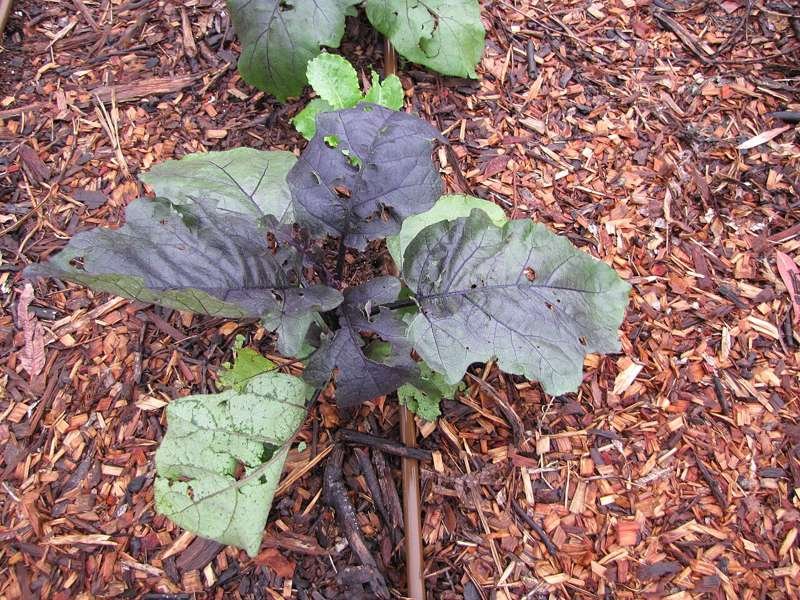
Hail & wind damage
Physical damage from hailstones and strong wind. The wounds then let fungi and bacteria in.
🌿Natural remedies
📅WhenSpring to summer storm season
🌾CropsAll crops, especially tomato, pepper, grape, cucurbits, fruit trees
How to recognise
Torn, shredded or holed leaves; round, sunken bruises and scars on fruit; broken stems, flowers and young shoots; bark wounds on trees. Damage appears suddenly after a storm and all on one side.
Causes & conditions
Summer thunderstorms, hail and strong dry winds, especially on open, exposed sites. Fruit and soft young growth are the most vulnerable.
What to do
- Prevention is the main control: hail nets over orchards and high-value crops, windbreak hedges, staking and low tunnels.
- After a storm, wait two to three weeks before cutting, then remove only broken tissue.
- Fermented herbal tonic (OHN) 1:1000 (1 ml in 1 litre of water) on wounds helps to keep rot out, and Fish amino acid (FAA) 1:1000 (1 ml in 1 litre of water) supports new leaf growth in the vegetative stage.
- Correct the cause first, then help recovery with the recovery mix (Recovery mix for sick plants), the Growth-stage spray mixes and Seaweed fertiliser.
Cautions
Harvest and use bruised fruit quickly, as it rots fast. Related weather damage is described under Frost damage.
Photos


Crops it affects
ApplePearLoquatPeach & nectarineApricotCherryGrapevineRaspberry & blackberryBlueberryCurrants & gooseberriesCornelian cherryMedlarHawthorn (azarole)ElderberryGoji berryAronia (chokeberry)Oleaster (Russian olive)CrabappleGoumiCherry plum (myrobalan)BarberryJapanese plumWild pear (ahlat)Japanese quinceAutumn oliveHardy kiwi (kiwiberry)CranberryBoysenberry & loganberryCloudberryMaqui berryDamson & greengage plumLingonberryAsian pear (nashi)Haskap (honeyberry)Cape gooseberryWild strawberry (alpine strawberry)MaypopArctic kiwiAkebiaOregon grape