← Startseite Schädlinge 198
African and Asian maize stem borers Busseola fusca, Chilo partellus, Sesamia calamistis
African citrus psyllid (Q) Trioza erytreae
Alfalfa weevil Alfalfa (lucerne), clover, vetch
Ameisen Formicidae
Apfelwickler Cydia pomonella
Apple and plum sawflies Hoplocampa testudinea, Hoplocampa minuta
Apple blossom weevil Anthonomus pomorum
Asian and citrus longhorn beetles Anoplophora glabripennis, A. chinensis
Asiatischer Zitrusblattfloh Diaphorina citri
Badger Meles meles
Bagrada bug Bagrada hilaris
Bananenrüsselkäfer Cosmopolites sordidus
Bark and ambrosia beetles Scolytus rugulosus, Xyleborus dispar, Xylosandrus spp., Ips, Tomicus
Baumwanzen Pentatomidae
Baumwollkapselwurm Helicoverpa armigera
Bean stem maggot Ophiomyia phaseoli
Beet fly Pegomya betae
Birnblattsauger Cacopsylla pyri
Black bean aphid Aphis fabae
Black/olive scale Saissetia oleae
Blattläuse Aphidoidea
Blattschneiderameisen Atta, Acromyrmex
Blutlaus Eriosoma lanigerum
Broad mite / cyclamen mite Polyphagotarsonemus latus, Phytonemus pallidus
Brown planthopper Nilaparvata lugens
Brown-tail moth Euproctis chrysorrhoea
Buchsbaumzünsler Cydalima perspectalis
Cacao mirids Sahlbergella singularis, Distantiella theobroma
Cereal aphids Sitobion avenae, Rhopalosiphum padi, Schizaphis graminum
Cereal bugs (Aelia) Aelia rostrata, A. acuminata
Cereal cyst nematodes Heterodera filipjevi, H. avenae
Cereal ground beetle Zabrus tenebrioides (Z. spinipes)
Cereal leaf beetle Wheat, barley, oat, rye, maize, grasses
Cereal thrips Haplothrips tritici
Citrus aphids Aphis spiraecola, Toxoptera aurantii
Citrus mealybug Planococcus citri
Citrus nematode Tylenchulus semipenetrans
Citrus thrips Pezothrips kellyanus
Citrus whiteflies Dialeurodes citri, Aleurothrixus floccosus
Clearwing borers Synanthedon myopaeformis, Synanthedon tipuliformis
Coffee leafminer Leucoptera coffeella
Columbia and Northern root-knot nematodes Meloidogyne chitwoodi, Meloidogyne fallax
Cotton boll weevil Cotton; some wild relatives such as Hibiscus species
Cotton bollworm / corn earworm (Helicoverpa) Helicoverpa armigera, H. zea
Cotton/melon aphid Aphis gossypii
Cottony cushion scale Icerya purchasi
Crows and corvids Corvus cornix, C. frugilegus, Pica pica
Diamondback moth Plutella xylostella
Drahtwürmer Agriotes spp.
Eggplant fruit and shoot borer Eggplant; also potato and other nightshades
Egyptian cotton leafworm / beet armyworm Spodoptera littoralis, S. exigua
Emerald ash borer Ash (Fraxinus species)
Engerlinge (Maikäferlarven) Melolontha, Polyphylla
Erdflöhe Alticini
Erdraupen Agrotis spp.
Eucalyptus longhorn Eucalyptus
European corn borer Ostrinia nubilalis
False codling moth Citrus, pepper, maize, avocado, cotton, stone fruit
Flat-headed root borer Capnodis tenebrionis (pistachio: Antepfıstığı dipkurdu, C. cariosa)
Flour beetles Tribolium castaneum, T. confusum
Foliar and dagger nematodes Aphelenchoides, Xiphinema index
Fruchtfliegen (Olivenfliege, Kirschfruchtfliege) Bactrocera oleae, Rhagoletis cerasi
Fruit-tree red mites Panonychus ulmi, P. citri
Gall, rust and bud mites (eriophyids) Aceria oleae, A. sheldoni, Colomerus vitis, Phytoptus avellanae
Gefurchter Dickmaulrüssler Otiorhynchus sulcatus
Gelbe Stachelbeerblattwespe Nematus ribesii
Getreidewanze (Sunn pest) Eurygaster integriceps
Giant African snail Lissachatina fulica
Golden apple snail Pomacea canaliculata
Grain weevils Sitophilus granarius, S. oryzae, S. zeamais
Grape phylloxera Daktulosphaira vitifoliae
Green peach aphid Myzus persicae
Gurkenkäfer review Diabrotica, Acalymma spp.
Haselnussbohrer Curculio nucum
Herbst-Heerwurm Spodoptera frugiperda
Hessian fly and cereal gall midges Mayetiola destructor, Chlorops pumilionis
Heuschrecken Acrididae
Horse-chestnut leafminer Cameraria ohridella
Indian meal moth / flour moth Plodia interpunctella, Ephestia kuehniella
Jackal and fox Canis aureus, Vulpes vulpes
Japanische Esskastanien-Gallwespe Dryocosmus kuriphilus
Japankäfer Popillia japonica
Johannisbrotzünsler (Granatapfelmotte) Ectomyelois ceratoniae
Kaffeekirschenkäfer Hypothenemus hampei
Kaninchen und Hasen Lepus europaeus, Oryctolagus cuniculus
Kartoffelkäfer Leptinotarsa decemlineata
Khapra beetle Trogoderma granarium
Kirschessigfliege Drosophila suzukii
Kohlweißling und Eulenraupen Pieris rapae, Trichoplusia ni
Kürbiswanzen Anasa tristis
Lauchmotte Acrolepiopsis assectella
Leafroller moths Archips rosana, Pandemis spp., Adoxophyes orana
Leatherjackets (crane fly larvae) Tipula paludosa, T. oleracea
Legume pod borer Cowpea, pigeonpea, common bean, lima bean, soybean
Leopard moth Söğüt kurdu (Cossus cossus, goat moth)
Lesser/larger grain borers Rhyzopertha dominica, Prostephanus truncatus
Lily beetle Lilioceris lilii
Lygus and other plant bugs Lygus rugulipennis, L. pratensis
Mangokernrüssler Sternochetus mangiferae
Maniok-Schmierlaus und Grüne Maniokmilbe Phenacoccus manihoti, Mononychellus tanajoa
Marchalina pine scale Marchalina hellenica
Marmorierte Baumwanze Halyomorpha halys
Maulwürfe und Wühlmäuse Talpa, Microtus spp.
Maulwurfsgrille Gryllotalpa gryllotalpa
Meadow spittlebug Philaenus spumarius
Mediterranean corn stalk borer Sesamia nonagrioides
Melon ladybird Melon, cucumber, squash, watermelon and other cucurbits
Melon thrips and chilli thrips Thrips palmi, Scirtothrips dorsalis
Mexican bean beetle Snap bean, runner bean, lima bean, cowpea and soybean
Millipedes, woodlice, symphylans Blaniulus guttulatus, Porcellio, Scutigerella
Minierfliegen Liriomyza spp.
Mittelmeerfruchtfliege Ceratitis capitata
Möhrenfliege Psila rosae
Mole rat Spalax leucodon, Spalax ehrenbergi (now often split into Nannospalax species)
Monkeys, baboons and elephants Papio, Chlorocebus, Macaca, Loxodonta
Nutria (coypu) Myocastor coypus
Ohrwürmer Forficula auricularia
Olive bark beetle Phloeotribus scarabaeoides
Olive fruit fly Bactrocera oleae
Olive psyllid Euphyllura olivina
Olivenmotte Prays oleae
Oriental fruit moth Grapholita molesta
Parakeets Psittacula krameri
Paysandisia palm borer Palms: Chamaerops humilis, Phoenix, Washingtonia, Trachycarpus
Pea and bean leaf weevils Faba bean, pea, lentil, alfalfa, clover
Pea moth Cydia nigricana
Pepper weevil Pepper; also eggplant and other nightshades
Pfirsichtriebbohrer Anarsia lineatella
Pigeons and doves Columba palumbus, C. livia
Pine processionary Thaumetopoea pityocampa
Pine wood nematode Bursaphelenchus xylophilus
Pink bollworm Pectinophora gossypiella
Pink hibiscus mealybug and cotton mealybug Maconellicoccus hirsutus, Phenacoccus solenopsis
Pistachio psylla Agonoscena pistaciae
Plane lace bug Corythucha ciliata
Plum fruit moth Grapholita funebrana
Pollen beetles Brassicogethes (Meligethes) aeneus
Pomegranate butterfly Virachola livia (Deudorix livia)
Porcupine Hystrix cristata, Hystrix indica
Potato cyst nematodes (Q) Globodera rostochiensis, G. pallida
Potato psyllid Bactericera cockerelli
Potato rot nematode Ditylenchus destructor
Potato tuber moth Phthorimaea operculella
Quelea Quelea quelea
Ratten und Mäuse Rattus, Mus spp.
Red scale Aonidiella aurantii
Red-necked longhorn Peach, apricot, cherry, plum, almond and other Prunus species
Rehe und Hirsche Obstbäume, Gemüse, Rosen
Rice striped stem borer Chilo suppressalis
Root aphids Pemphigus bursarius, Trama spp.
Root-lesion nematodes Pratylenchus spp.
Rosemary beetle Chrysolina americana
Rosy apple aphid Dysaphis plantaginea
Roter Palmrüssler Rhynchophorus ferrugineus
San-José-Schildlaus Quadraspidiotus perniciosus
Schildläuse Coccoidea
Schnecken Gastropoda
Schwärmerraupen und andere Raupen Manduca, Helicoverpa spp.
Spargelhähnchen Crioceris asparagi
Sparrows Passer domesticus
Speisebohnen- und Erbsenkäfer Acanthoscelides obtectus, Bruchus pisorum
Spinnmilben Tetranychus urticae
Spiny bollworm Earias insulana
Spongy moth Lymantria dispar
Spotted lanternfly Lycorma delicatula
Squash vine borer Squash, pumpkin, gourds; less on cucumber and melon
Squirrels Sciurus anomalus, Sciurus vulgaris, Spermophilus xanthoprymnus
Starlings Sturnus vulgaris
Stem and bulb nematode Ditylenchus dipsaci
Sugar beet weevil and moth Bothynoderes punctiventris, Scrobipalpa ocellatella
Sweet potato weevil Cylas formicarius
Tent caterpillars / ermine moths Malacosoma neustria, Yponomeuta malinellus
Termiten Isoptera
Thripse Thysanoptera
Tobacco/cotton whitefly (Bemisia) Bemisia tabaci
Tomatenminiermotte (Tuta absoluta) Tuta absoluta
Tomatenrostmilbe Aculops lycopersici
Tomato/Nesidiocoris mirid Nesidiocoris tenuis
Traubenwickler Lobesia botrana
Trauermücken Sciaridae
Tropische Fruchtfliegen Bactrocera, Anastrepha, Ceratitis
Turnip sawfly Athalia rosae
Vine mealybug Planococcus ficus
Vögel Kirsche, Traube, Feige, Beeren, Mais
Vorratsschädlinge in Getreide Sitophilus, Rhyzopertha, Tribolium spp.
Walnussfruchtfliege Rhagoletis completa
Walnut twig beetle Pityophthorus juglandis
Weiße Fliegen Aleyrodidae
Western corn rootworm Maize
Western flower thrips Frankliniella occidentalis
Wheat stem sawflies Cephus pygmaeus, Trachelus tabidus
Wildschwein Sus scrofa
Winter moth Operophtera brumata
Wollläuse Pseudococcidae
Wurzelfliegen (Zwiebel-, Kohlfliege) Delia antiqua, D. radicum
Zikaden Cicadellidae
Zitrusminiermotte Phyllocnistis citrella
Zottiger Rosenkäfer Tropinota hirta
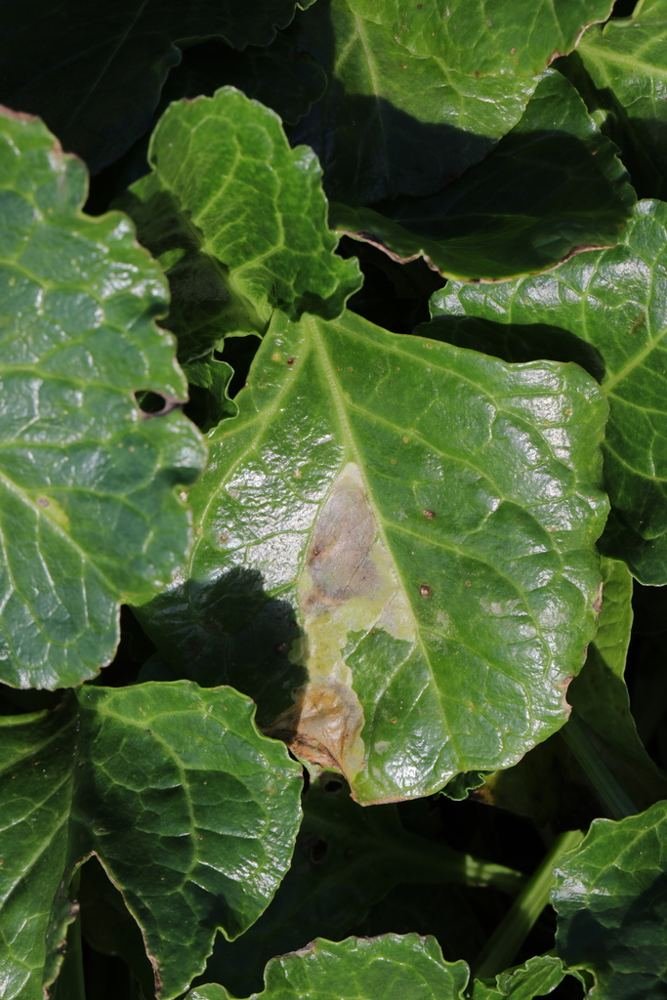
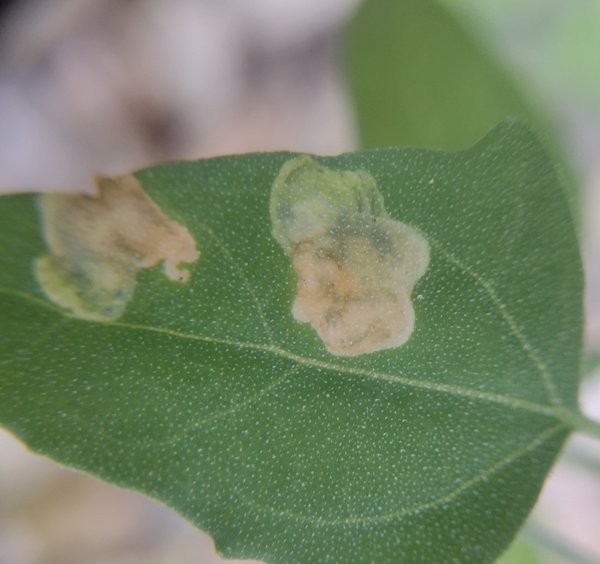
Foto: steve_mcwilliam / iNaturalist · CC0 · iNaturalist A small fly whose white maggots mine inside the leaves of beet, chard and spinach.
📅 Wann
🌾 Kulturen
🔍 ErkennungsmerkmaleBlister-like pale or brown blotches on leaves, and white oval eggs in small rows on the underside; a pale maggot of 6-8 millimetres inside each blister.
🌦️ Ursachen und BedingungenWarm, mild springs; two to three generations a year. The pupae overwinter in the soil. Young plants suffer most.
⚠️ VorsichtNet the crop before the flies arrive, because maggots inside leaves cannot be reached by sprays. Damaged leaves are edible if the mines are removed.
📷 FotosKirstie S / iNaturalist · CC0 Bartosz Czołczyński / iNaturalist · CC BY Stephen James McWilliam / iNaturalist · CC0